WHEN THE ROAD COMES
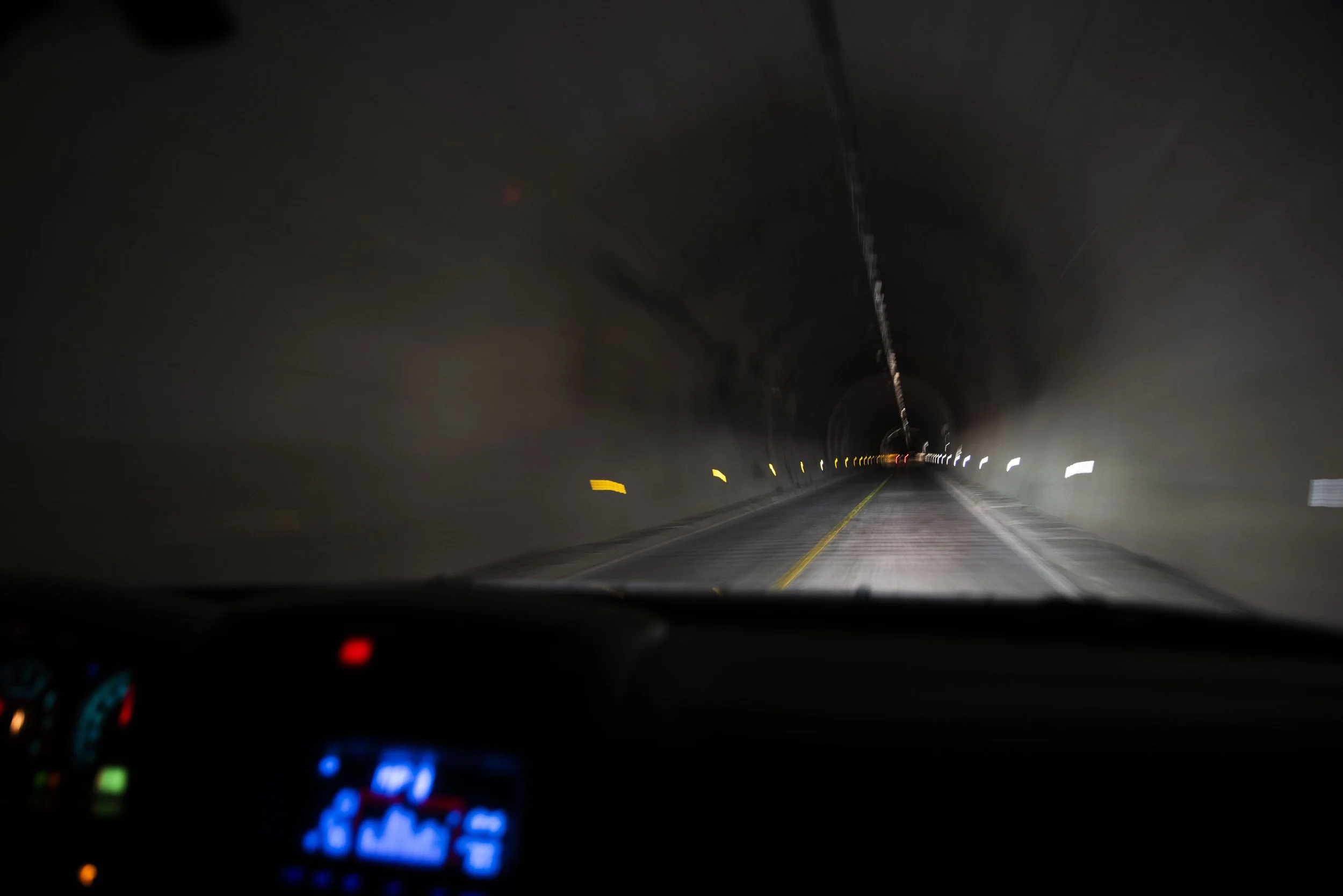
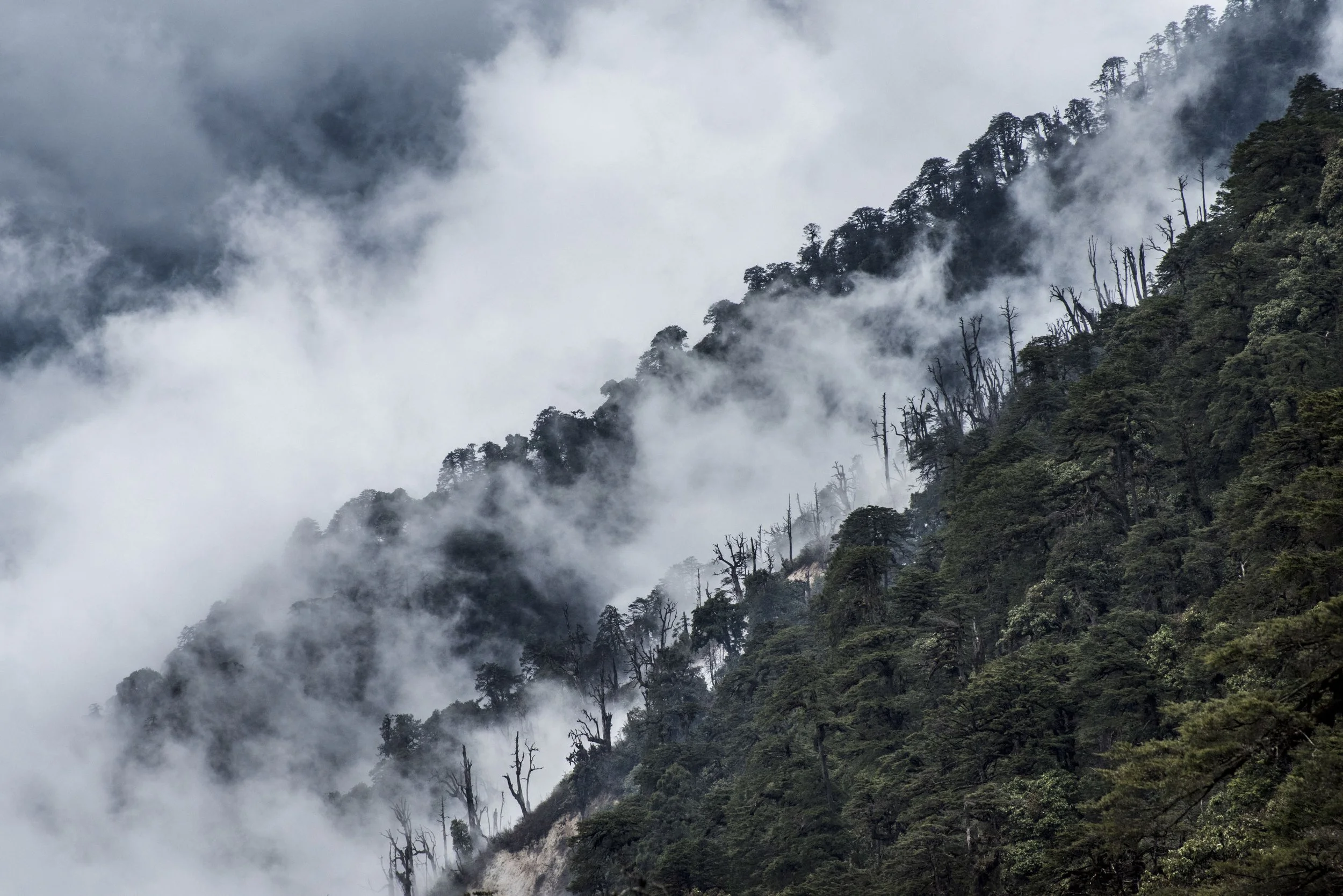
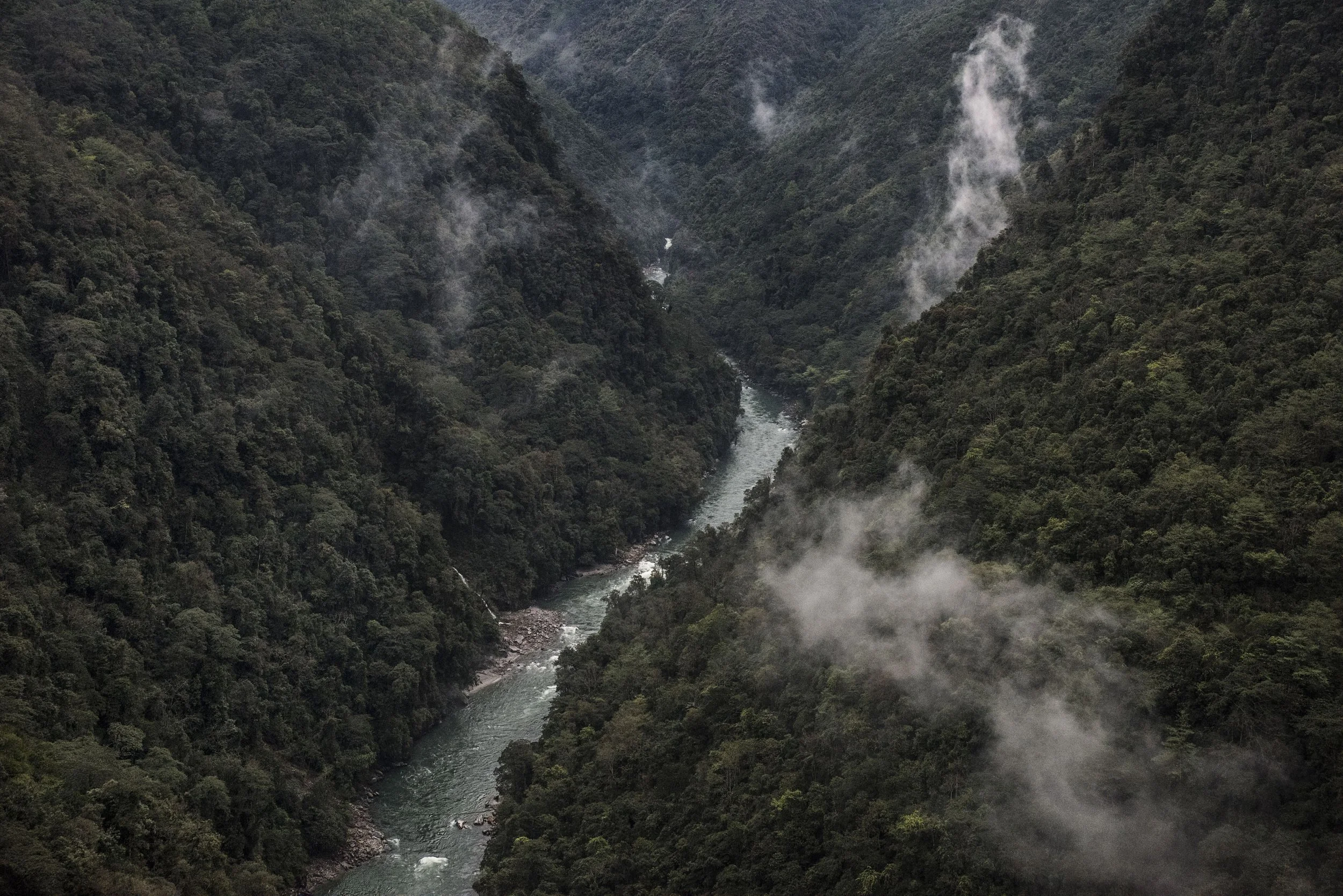
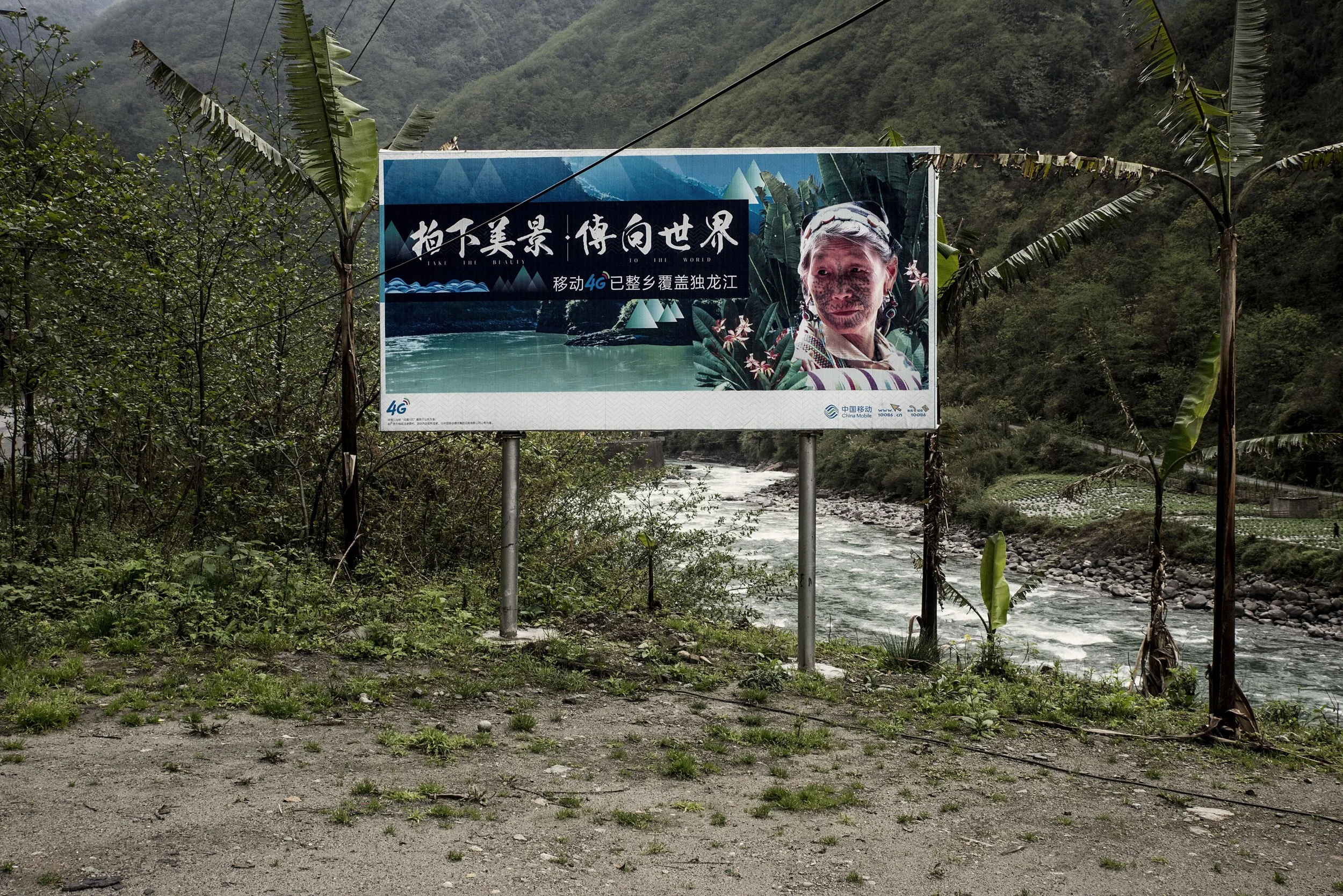
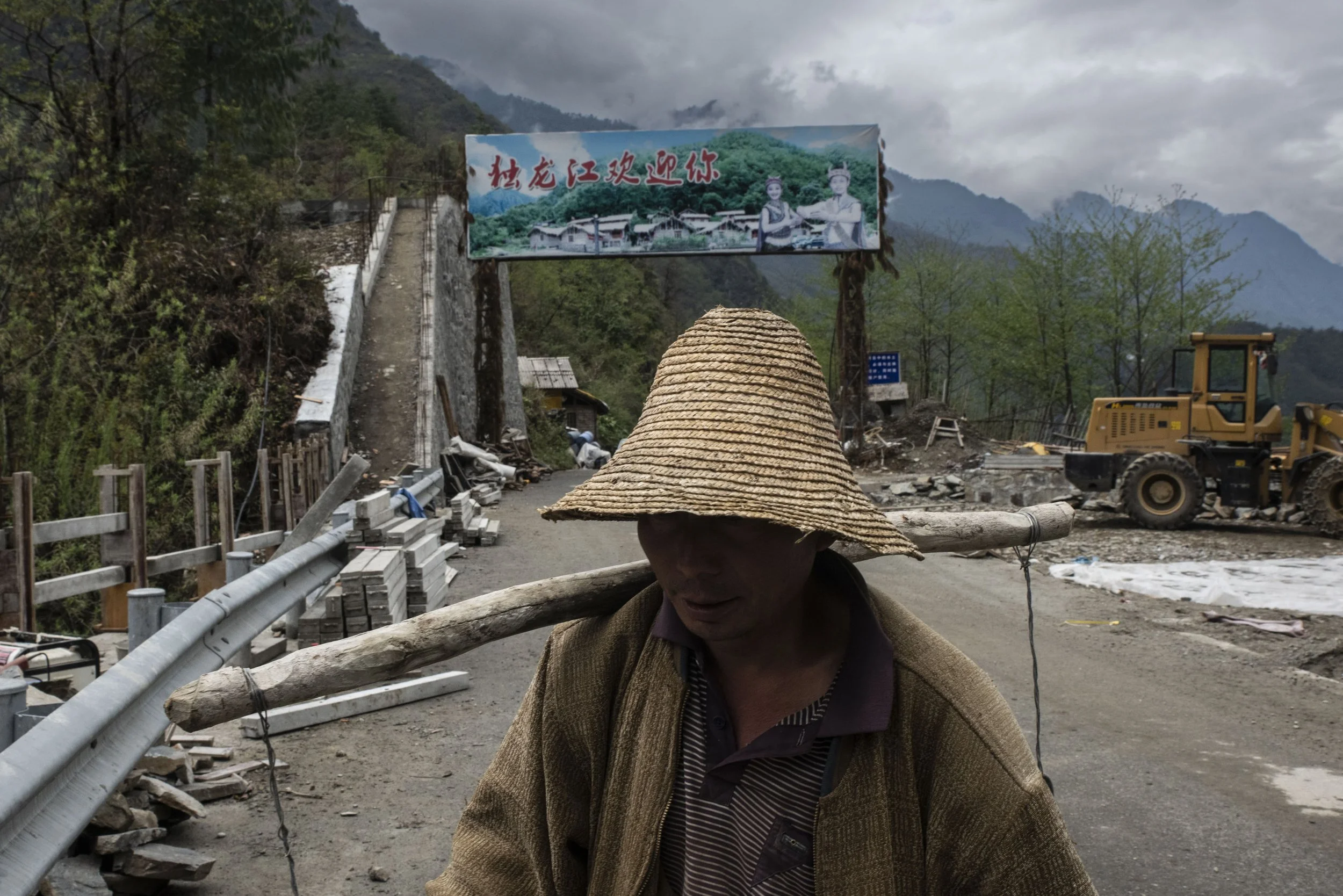
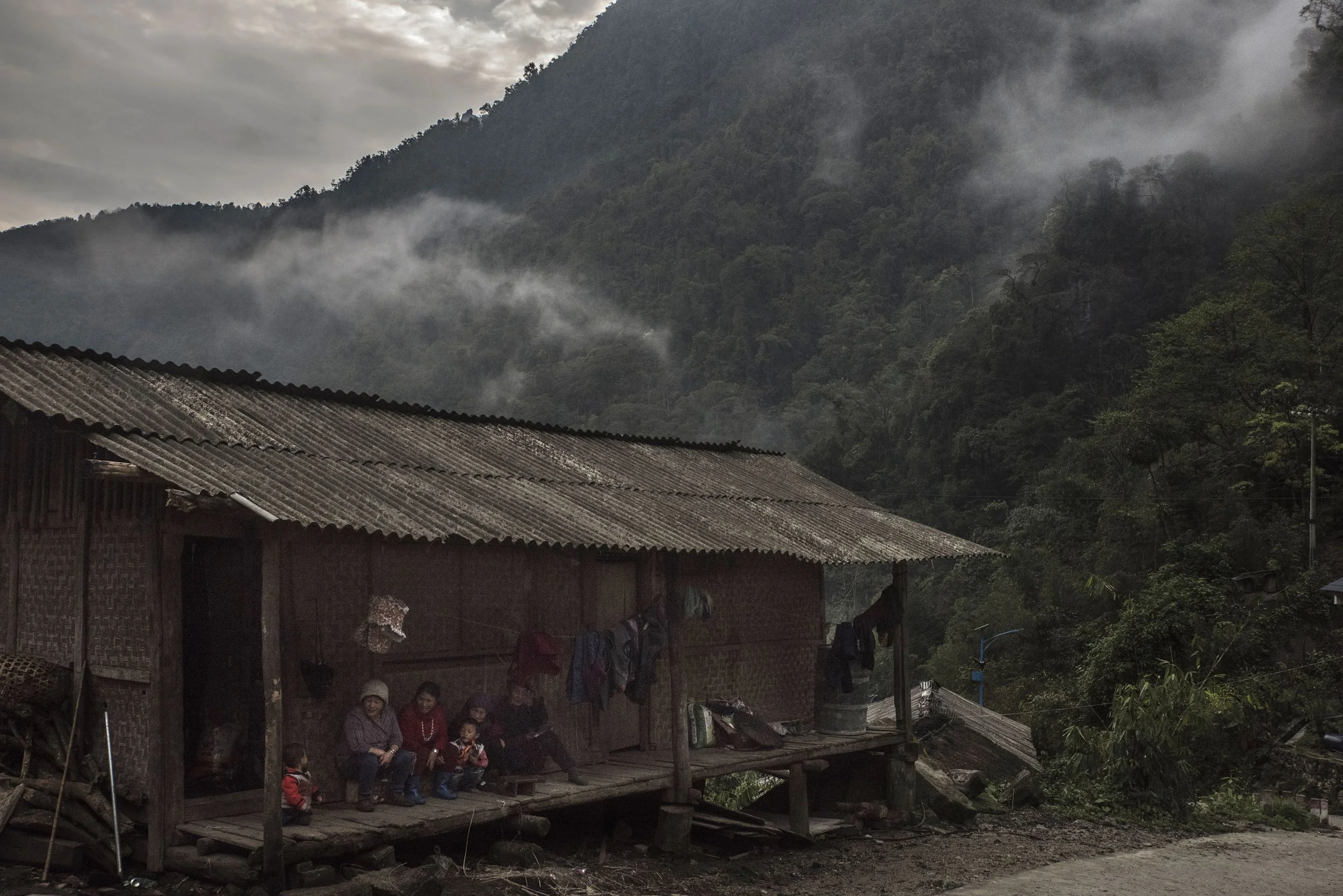
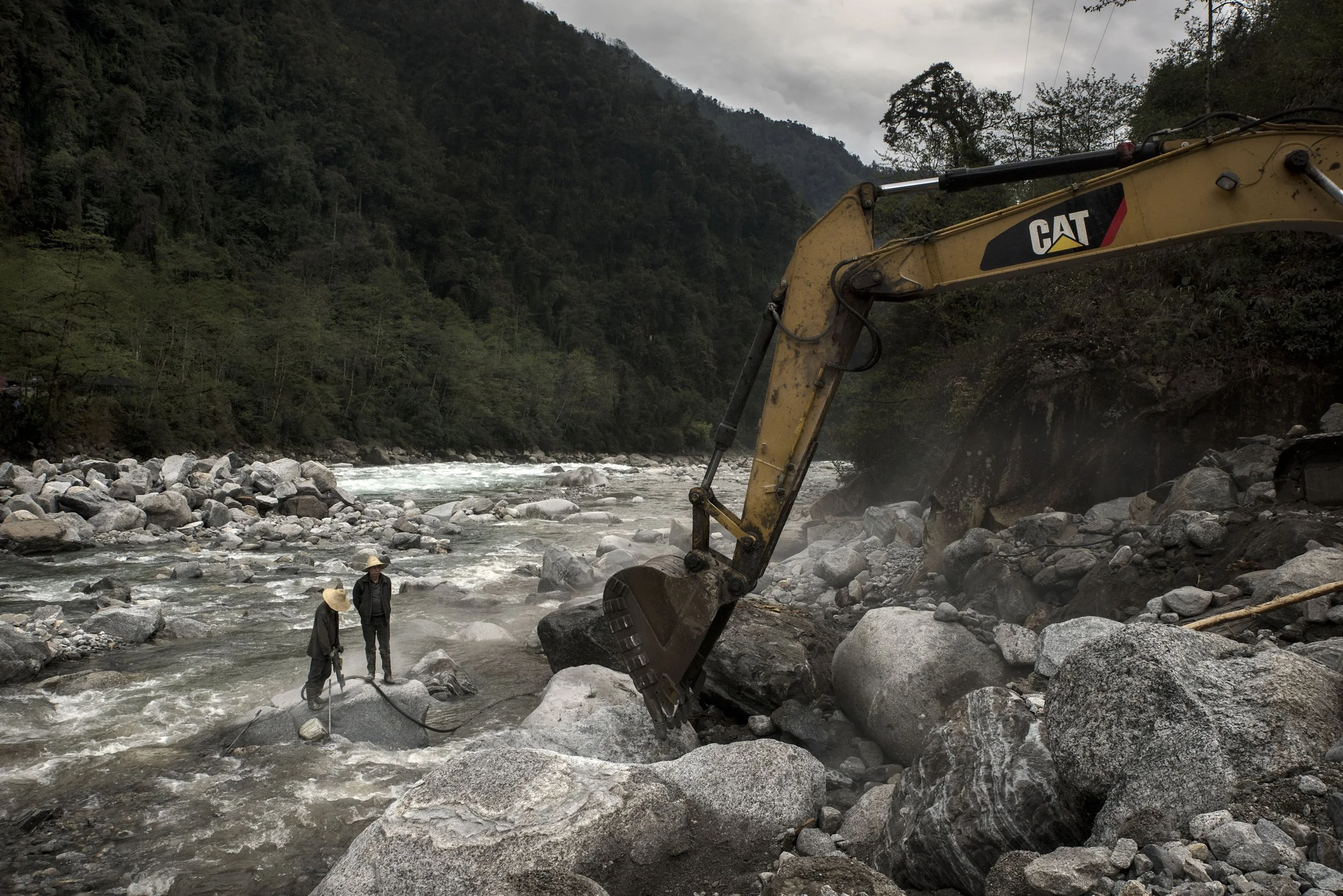
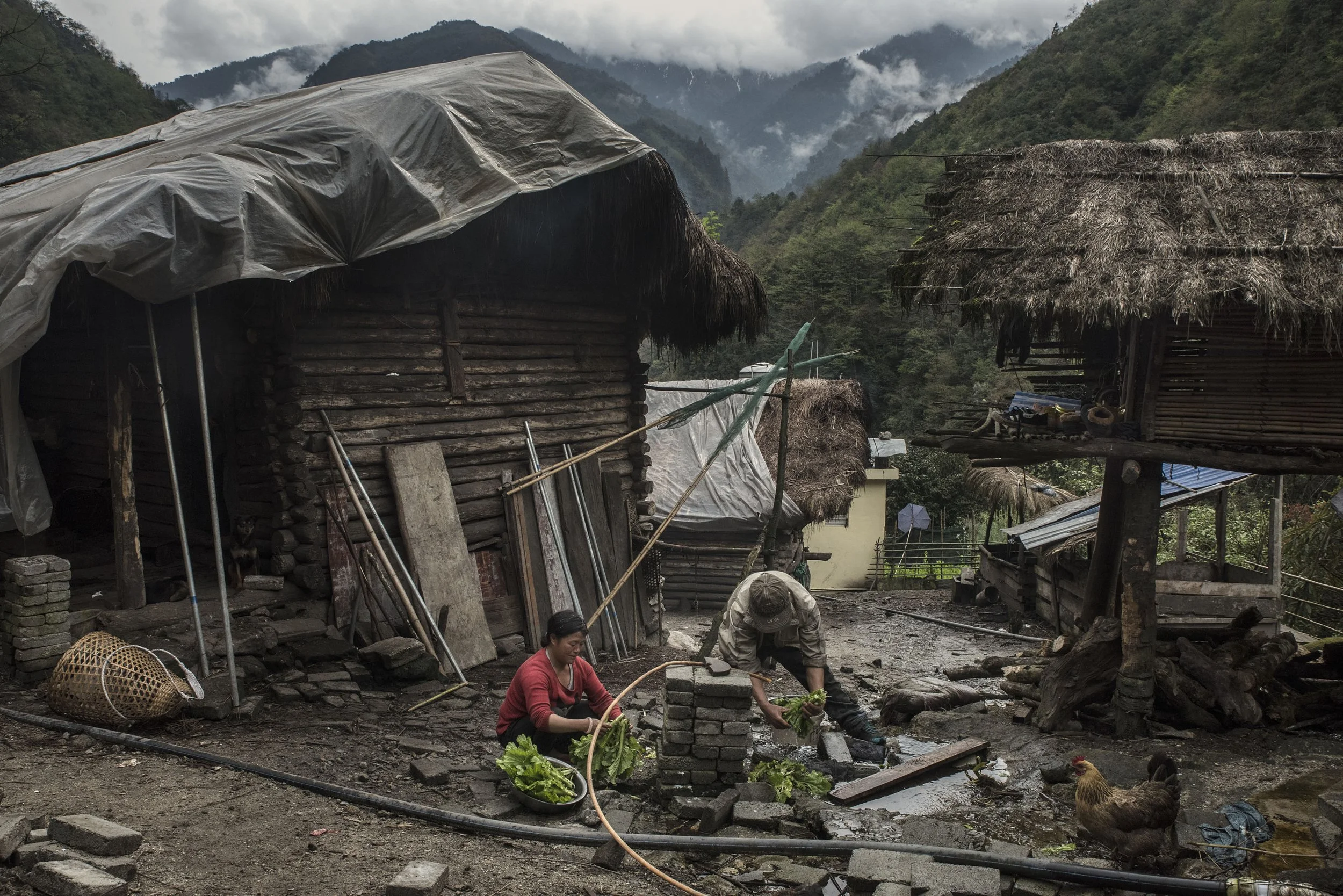
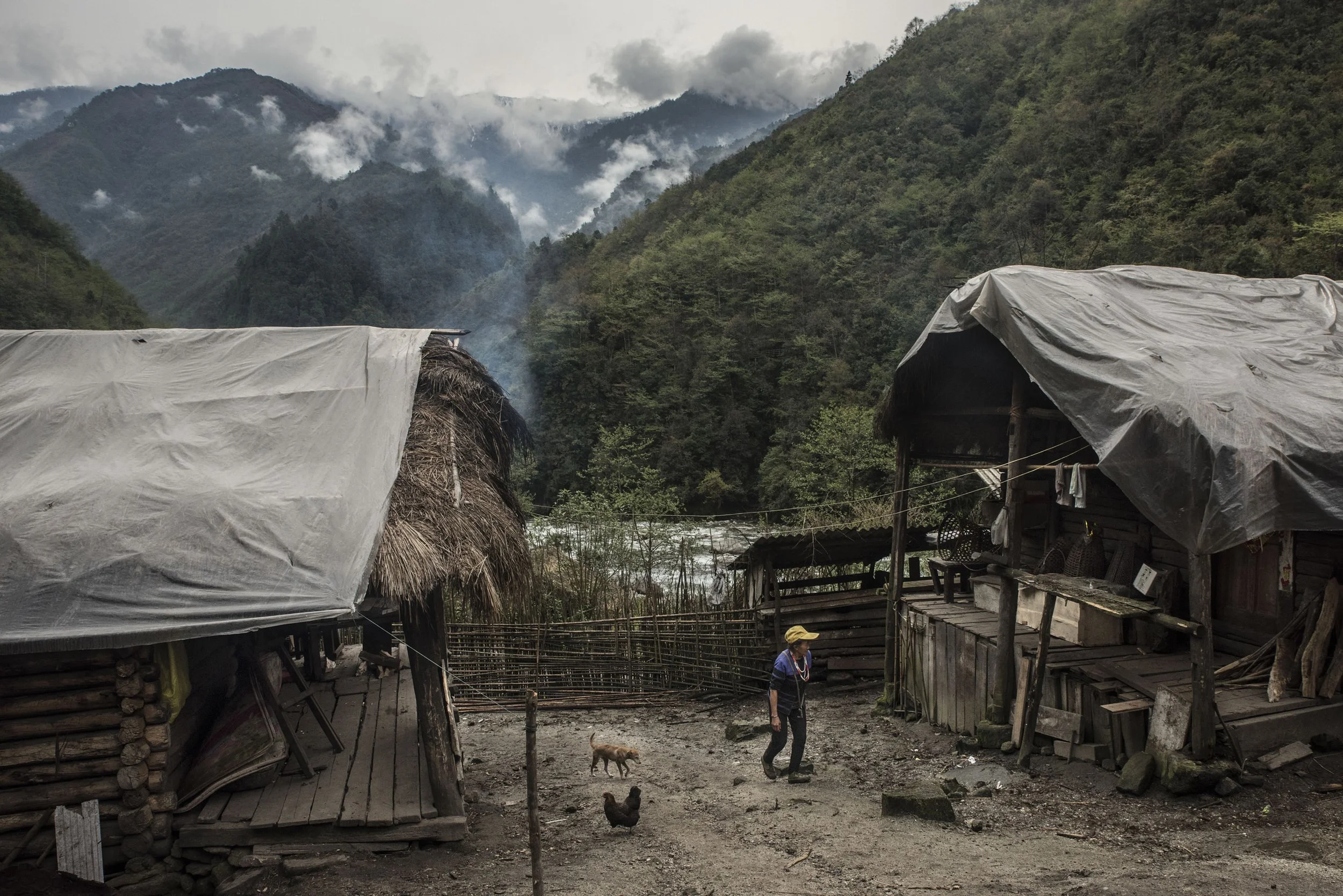
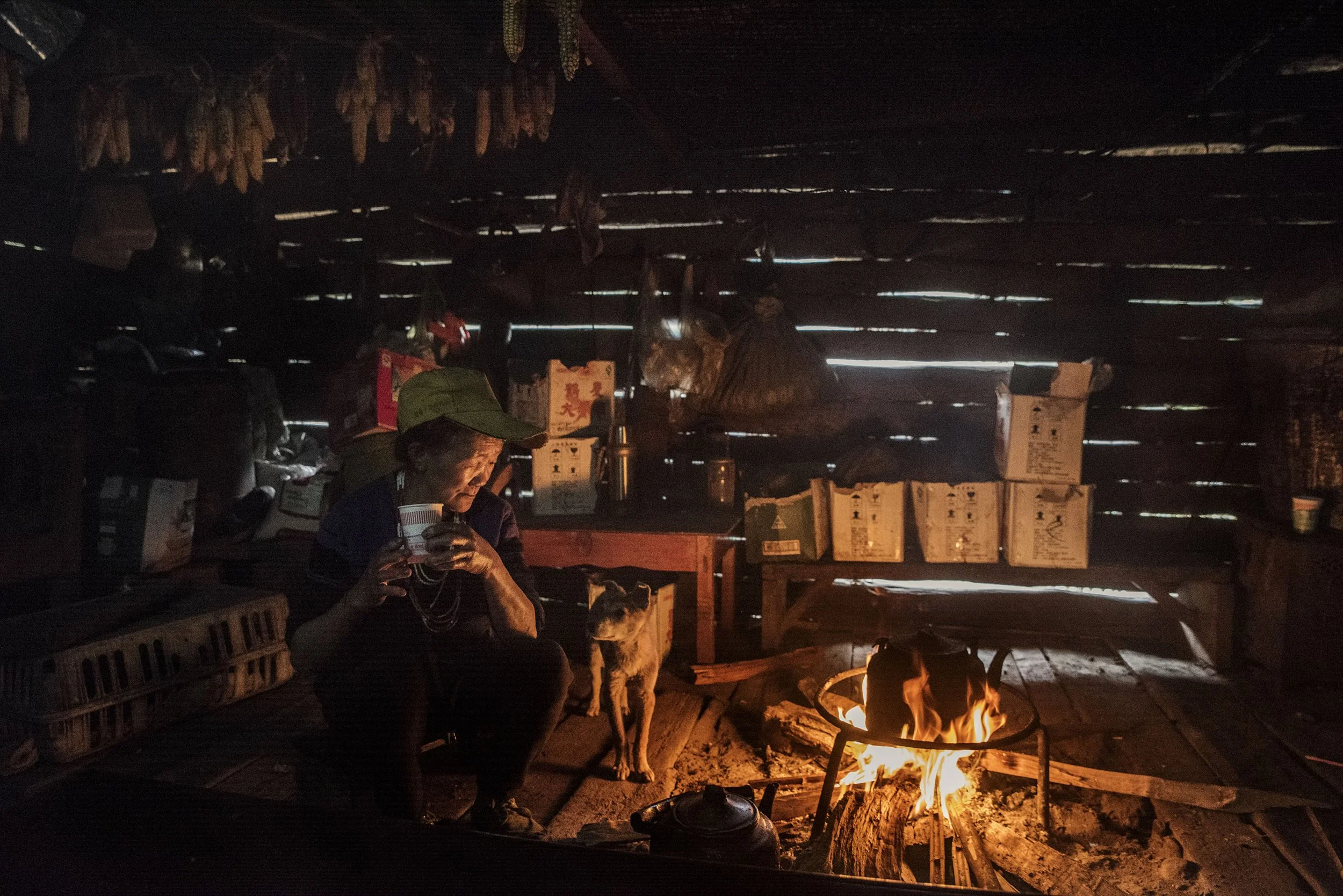
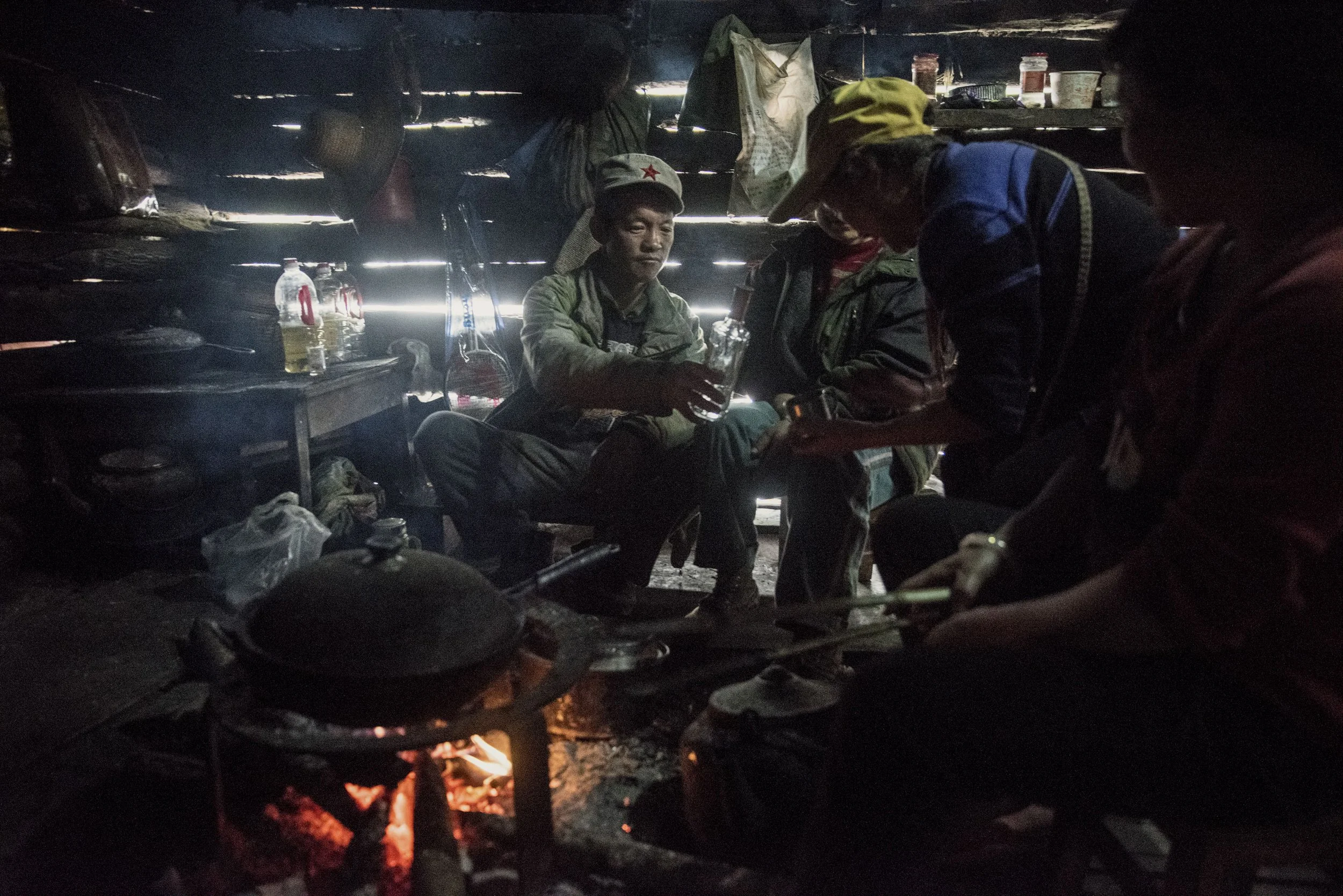
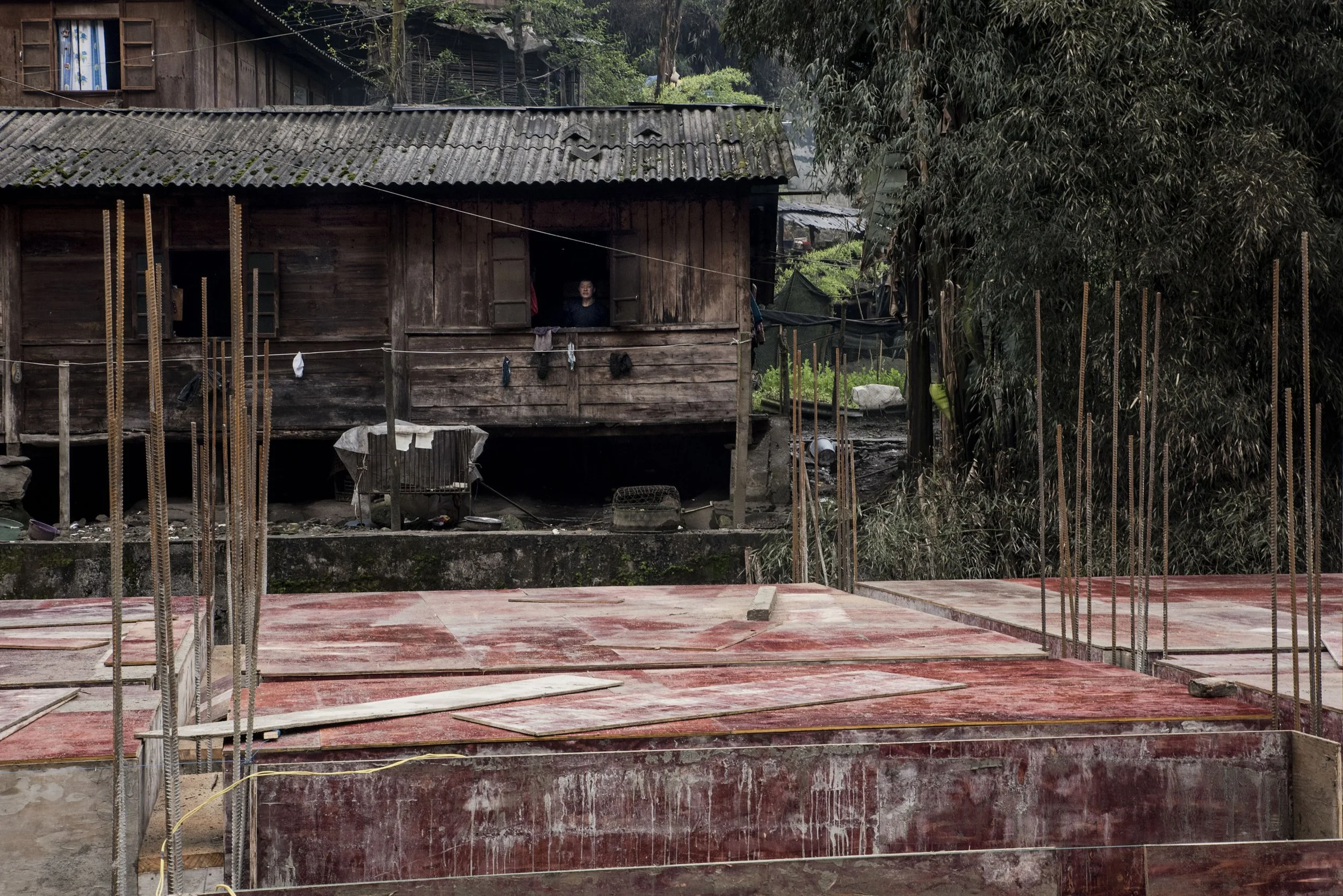
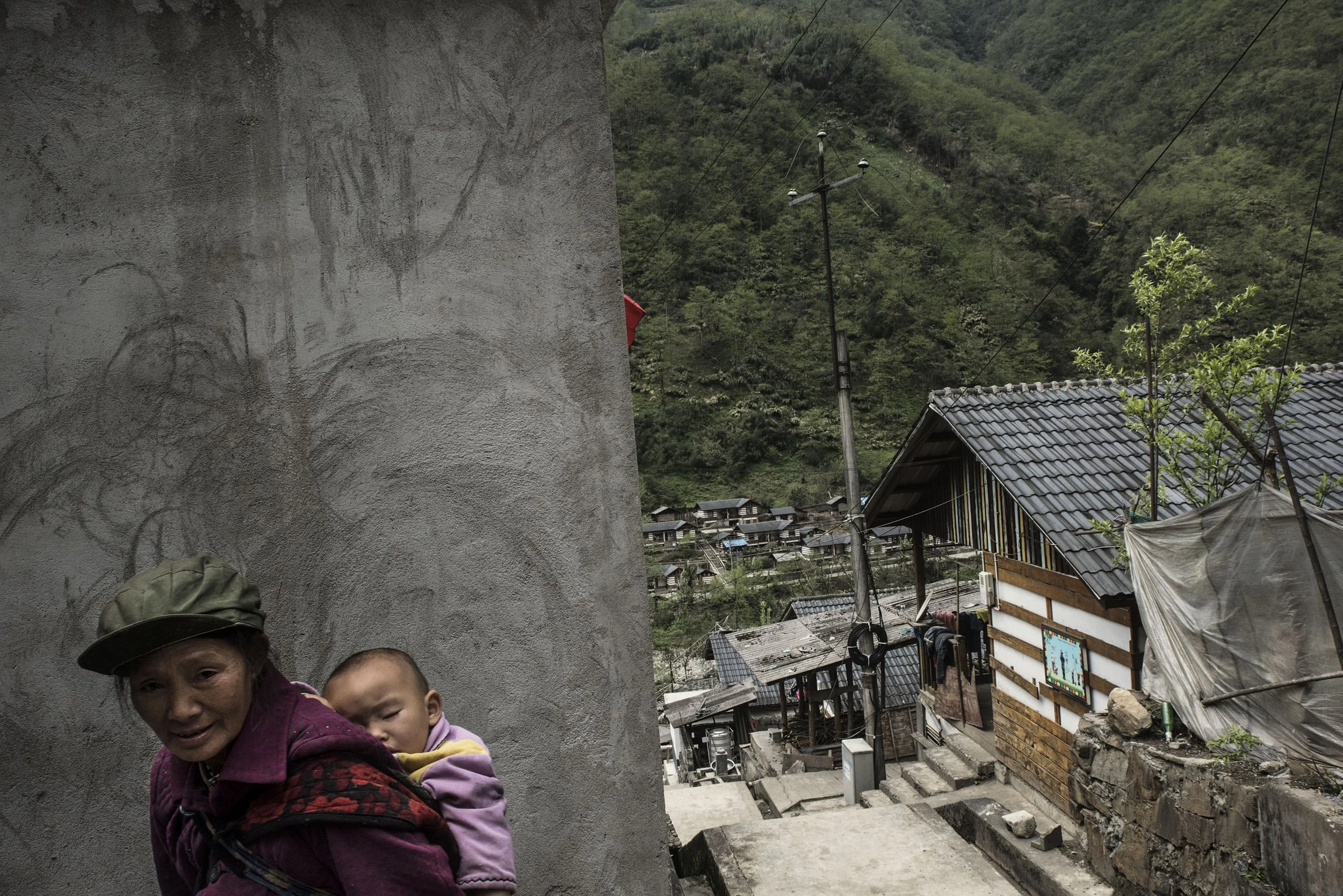
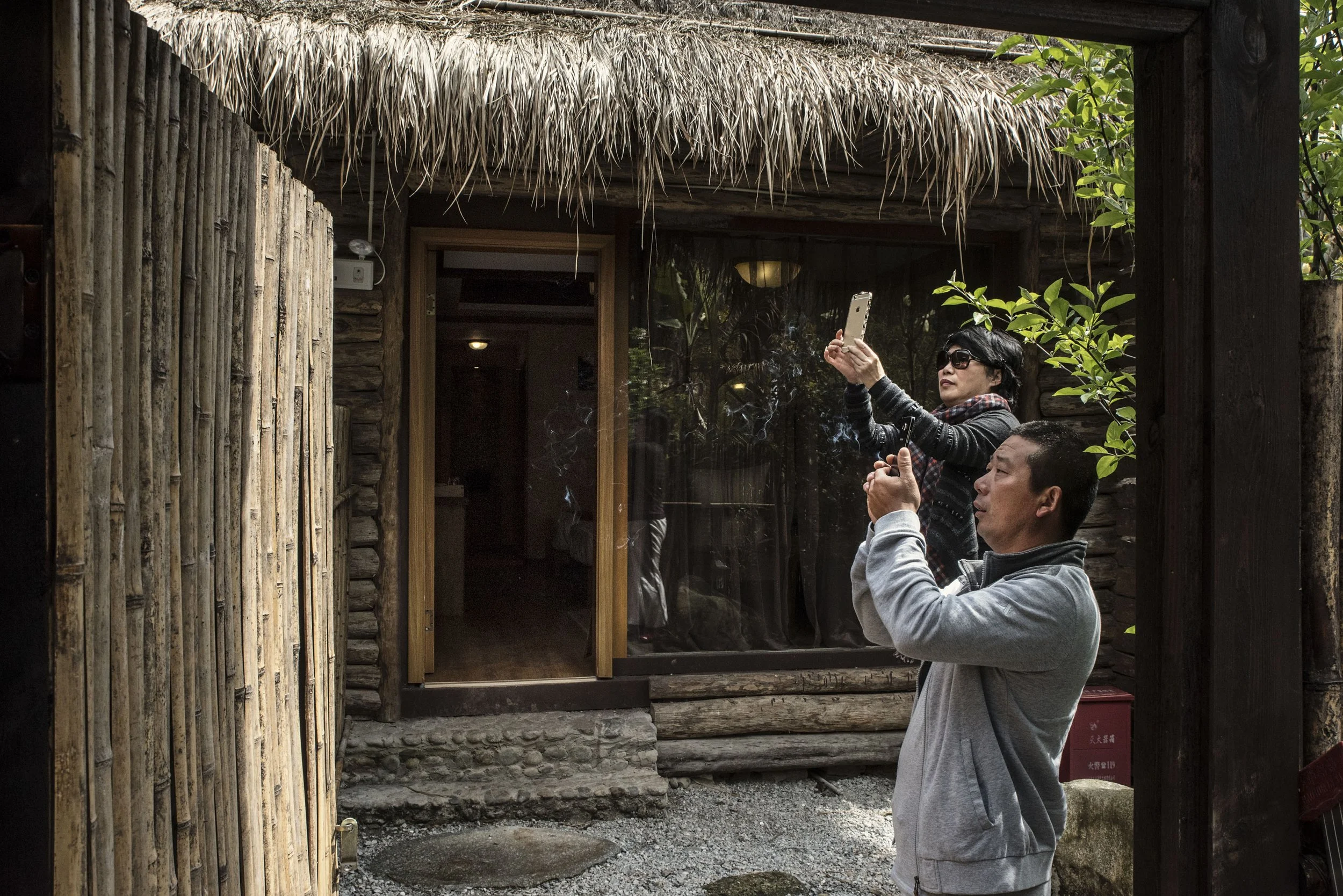
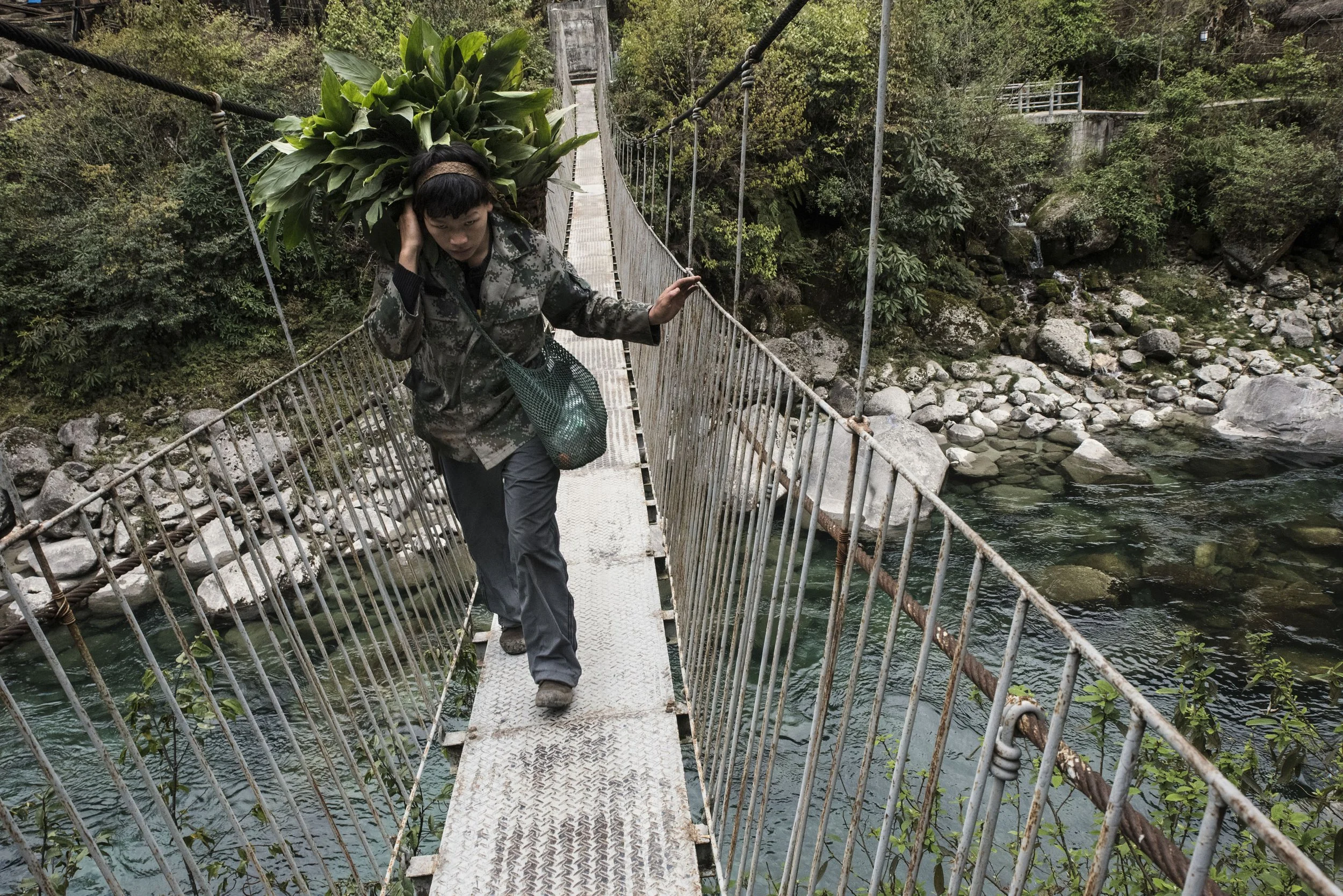
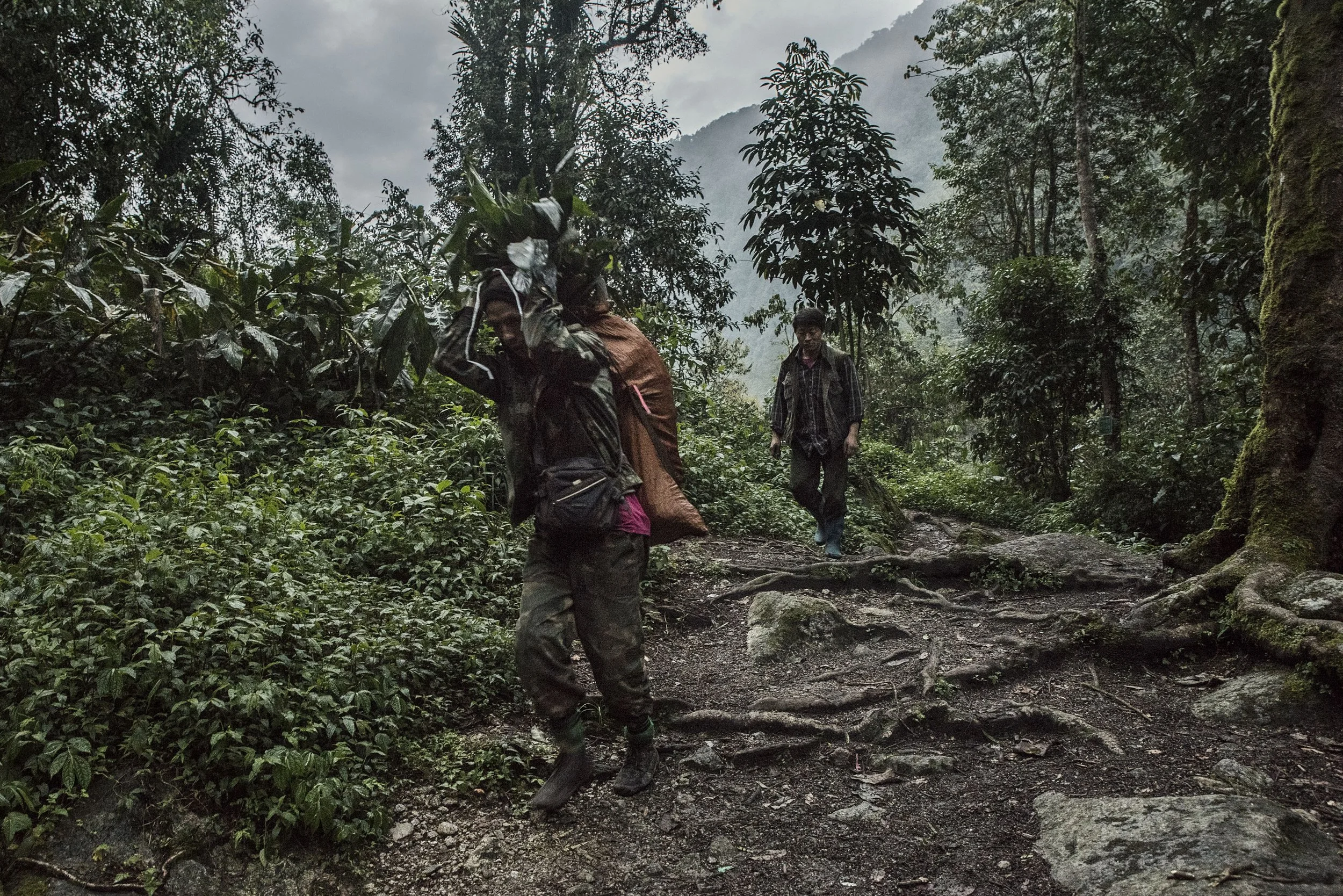
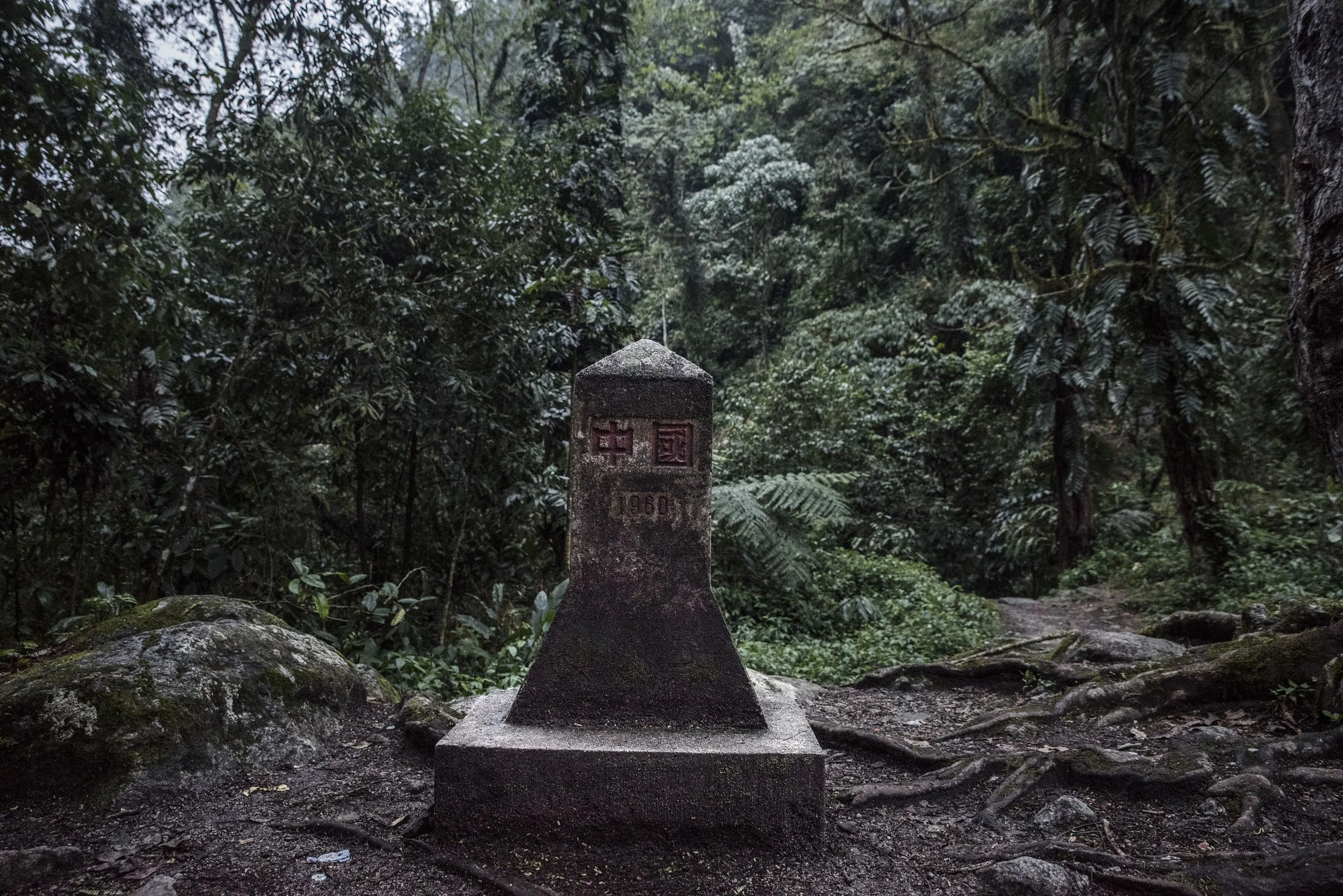
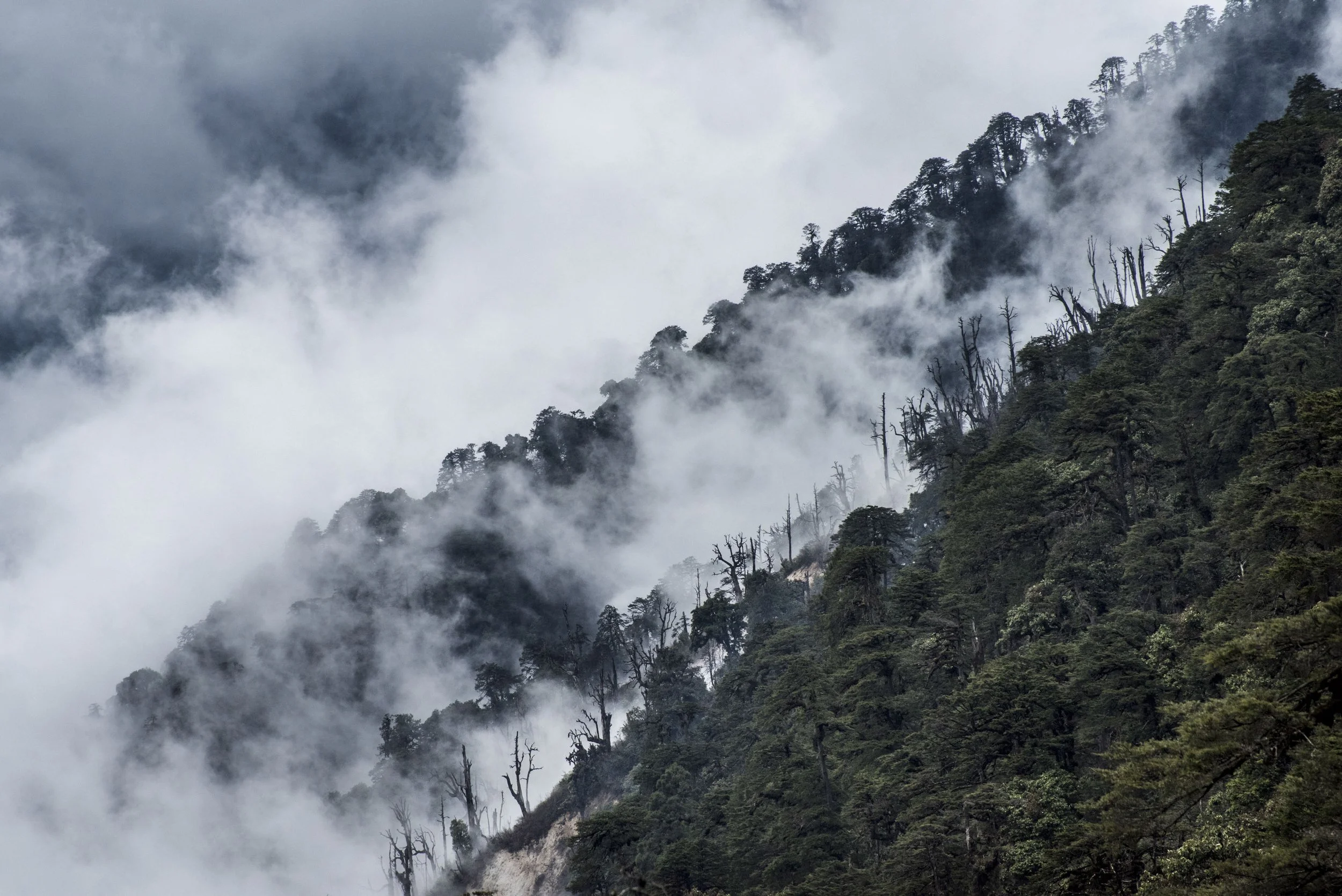
The Dulong River Valley, a remote and pristine region on China’s Himalayan frontier, has long been home to the country’s small Dulong ethnic community. Surrounded by the Gaoligong Mountains, the valley remained isolated for centuries, with access often blocked by snow and difficult terrain. Its forests, jade-green river and abundant wildlife reflect a landscape still largely untouched by modern development. In recent years, however, roads, a seven-kilometre tunnel and mobile-phone networks have rapidly connected the valley to the outside world. Travel to the county seat has become far easier, while new homes, hotels and commercial ventures have begun to reshape local communities. These changes are part of a government campaign to reduce poverty, improve living standards and promote tourism. For many Dulong residents, modernization has brought better transportation, education, housing and economic opportunities. Yet the arrival of hydropower stations, construction and increasing numbers of visitors has also raised concerns about environmental damage and the erosion of traditional ways of life. The brutal pace of change is a source of anxiety reflected in rampant alcoholism. In villages where old wooden homes and animist customs coexist with concrete buildings, smartphones and tourist businesses, past and present now stand side by side. This photo essay captures a society undergoing a dramatic transformation—and the uncertainty of adapting to change that has arrived with extraordinary speed.